



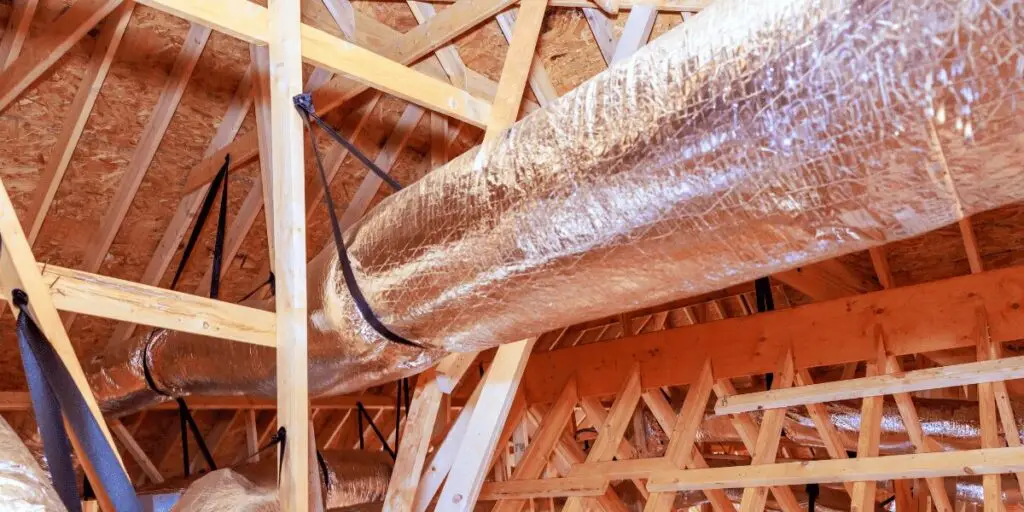
If your AC runs all day but some rooms still feel warm, your air conditioner may not be the main problem. Aging ductwork can waste cooled air before it ever reaches the rooms that need it most.
In the Coachella Valley, that matters even more during summer. When temperatures climb, your AC works harder, attic spaces get hotter, and every duct leak or airflow restriction can make your home more expensive and difficult to cool.
Your ductwork is responsible for moving cooled air from your HVAC system into each room. When ducts are old, leaking, damaged, poorly insulated, or incorrectly sized, your system may run longer while delivering less comfort. That can lead to higher energy bills, uneven temperatures, weak airflow, dusty indoor air, and added strain on your AC.
For homeowners in Palm Desert, Coachella, La Quinta, Indio, Rancho Mirage, and surrounding areas, replacing aging ductwork before or during summer can make a noticeable difference in comfort and efficiency. Below, we will explain why ductwork matters, how to spot warning signs, and when replacement may be the smarter long-term option.
Quick Answer: Why Should You Replace Aging Ductwork Before Summer?
Replacing aging ductwork before summer helps your HVAC system move cooled air more efficiently throughout your home. Old, leaking, damaged, or poorly designed ducts can waste conditioned air, increase energy bills, create hot spots, reduce indoor air quality, and force your AC to work harder during extreme heat. If your ducts are damaged, poorly sealed, or more than 15 to 20 years old, a professional inspection can help determine whether repair or replacement makes sense.
Why Your AC Cannot Outperform Bad Ductwork
A strong AC system still depends on the ducts connected to it. If your ductwork is leaking, crushed, undersized, or poorly balanced, your air conditioner may be producing cool air that never fully reaches your living spaces.
That is why some homeowners replace or repair AC equipment but still struggle with the same comfort problems afterward.
Bad ductwork can cause:
- Cooled air to escape into attics, crawl spaces, or walls
- Certain rooms to receive too little airflow
- Your AC to run longer than necessary
- Energy bills to rise without a clear explanation
- Indoor air to feel dusty, stale, or uneven
In short, your AC can only do its job if your ductwork can deliver the air properly.
Common Signs Your Ductwork May Be the Problem
Ductwork issues are not always obvious because most ducts are hidden. However, your home can give you clues.
| What You Notice | What It Could Mean |
| Weak airflow from vents | Leaky, crushed, or disconnected ducts |
| Rooms that stay too warm | Poor duct layout or undersized ducts |
| Rising energy bills | Cooled air escaping before reaching rooms |
| Dusty indoor air | Duct leaks pulling in attic or crawl space air |
| AC running constantly | Airflow loss or duct restrictions |
| Uneven cooling after AC replacement | Ductwork limiting system performance |
These issues do not always mean your AC needs to be replaced. In many cases, the ductwork is the missing piece.
1. Old Ductwork Can Waste Cooled Air
Your AC may be producing enough cold air, but that does not mean all of it is reaching your living spaces.
Aging ductwork can develop:
- Cracks and gaps
- Loose connections
- Damaged or crushed sections
- Poor insulation
- Air leaks around joints
When cooled air escapes before reaching your rooms, your AC has to run longer to make up the difference. During Coachella Valley summers, that wasted air can quickly become wasted money.
Replacing old ductwork helps more conditioned air reach the rooms where you actually need it.
2. Poor Ductwork Makes Hot Spots Worse
Do some rooms stay warm no matter how low you set the thermostat? Aging or poorly designed ductwork may be part of the reason.
Hot spots often happen when ducts are:
- Undersized
- Leaking
- Poorly balanced
- Disconnected
- Blocked or restricted
Instead of evenly distributing cooled air, the system sends too much air to some spaces and too little to others. This is especially frustrating in bedrooms, home offices, additions, converted garages, or rooms far from the main HVAC system.
New or properly designed ductwork can improve airflow balance and help your home feel more consistent from room to room.
3. Leaky Ducts Can Increase Energy Bills
If your summer energy bills keep climbing, your ductwork may be contributing to the problem.
Many homeowners assume high bills mean the AC unit itself is failing. Sometimes, the equipment is working harder because the ducts are wasting cooled air behind the scenes.
Leaky ductwork can cause your system to:
- Run longer cooling cycles
- Use more electricity
- Struggle to reach the thermostat setting
- Wear down faster over time
Replacing aging ductwork can help reduce energy waste and support better HVAC efficiency.
4. Aging Ductwork Can Affect Indoor Air Quality
Ductwork does more than move air. It can also affect what moves through your air.
Old or damaged ducts may pull in dust, attic air, insulation particles, pests, or debris from areas you do not want circulating through your home. If your home feels dusty soon after cleaning, or if allergy symptoms seem worse indoors, your ductwork may deserve attention.
Replacing damaged ducts can help support cleaner airflow, better filtration, and improved indoor air quality.
5. New Ductwork Helps Protect Your AC System
Your air conditioner depends on proper airflow. When ducts are leaking, crushed, or poorly sized, your AC has to work harder to move air through the home.
Over time, that added strain can contribute to:
- Longer run times
- More frequent repairs
- Reduced cooling performance
- Shorter equipment lifespan
- Higher risk of summer breakdowns
In a desert climate, where AC systems may run for long hours every day, protecting airflow is one of the best ways to protect your equipment.
Should You Repair or Replace Your Ductwork?
Not every duct issue requires full replacement. Some homes only need duct sealing, minor repairs, or airflow adjustments.
Duct repair may be enough if:
- The ductwork is mostly in good condition
- Leaks are limited to a few areas
- Damage is minor
- Airflow problems are isolated
Duct replacement may make more sense if:
- Your ductwork is old or deteriorating
- Sections are crushed, disconnected, or poorly installed
- Rooms have persistent comfort problems
- Your ducts are undersized for your current HVAC system
- You are replacing your AC and want the new system to perform properly
A professional inspection can help determine which option is more cost-effective for your home.
What Homeowners Should Do Before Summer
If you suspect your ductwork is affecting comfort, start with a few simple checks.
Look for:
- Rooms that are consistently warmer than others
- Weak airflow from certain vents
- Dust buildup around registers
- Rattling, whistling, or popping sounds from ducts
- Energy bills that rise faster than expected
- An AC system that runs for long periods without cooling evenly
If these issues happen repeatedly, the next step is a professional ductwork inspection. A technician can check for leaks, damaged sections, airflow restrictions, poor duct layout, and whether repair or replacement is the better option.
Why Ductwork Matters During AC Replacement
If you are planning to replace your air conditioner, it is smart to inspect your ductwork at the same time.
A new AC system can only perform as well as the ductwork connected to it. If old ducts leak air, restrict airflow, or fail to distribute air evenly, your new system may still struggle to cool your home properly.
Pairing AC replacement with ductwork improvements can help you get better performance, stronger airflow, and more value from your investment.
Frequently Asked Questions
How long does ductwork usually last?
Ductwork can last many years, but age, installation quality, attic conditions, pests, and general wear can affect its lifespan. Many homeowners begin considering replacement when ducts are around 15 to 20 years old or showing signs of damage.
Can replacing ductwork lower my energy bills?
It can. If your old ductwork is leaking or poorly designed, replacing it can reduce wasted air and help your HVAC system run more efficiently.
How do I know if my ducts are leaking?
Common signs include weak airflow, uneven temperatures, dusty indoor air, high energy bills, and rooms that are difficult to cool. A professional duct inspection can confirm the issue.
Is ductwork replacement messy?
Professional duct replacement is planned carefully to minimize disruption. The amount of work depends on where the ducts are located and how much of the system needs replacement.
Should ductwork be replaced before summer?
Yes, if it is aging, damaged, or affecting comfort. Replacing ductwork before peak heat can help your AC system perform better when you need it most.
Make Sure Your Cool Air Reaches Every Room
Replacing aging ductwork is not just about the ducts themselves. It is about helping your entire HVAC system perform the way it should. Better ductwork can improve comfort, reduce energy waste, support cleaner indoor air, and help protect your AC during the hottest months of the year.
For homeowners in the Coachella Valley, summer is not the time to lose cooled air through damaged or inefficient ducts.
Schedule Ductwork Service with All Valley Air
If your home has weak airflow, uneven cooling, rising energy bills, or aging ductwork, All Valley Air can help you understand your options.
Our experienced team provides ductwork inspections, repairs, sealing, and replacement services throughout Palm Desert, Coachella, La Quinta, Indio, Rancho Mirage, Cathedral City, Banning, and surrounding areas.
Call (760) 773-3629 or request service online today to schedule ductwork service and get your home ready for summer comfort.