

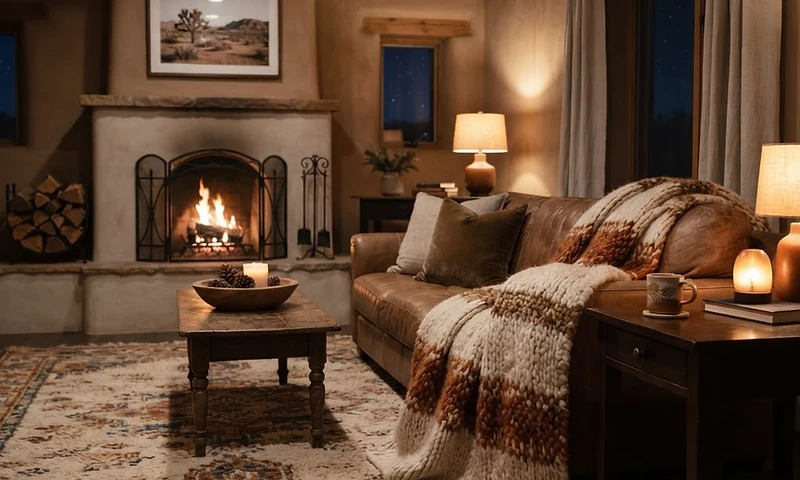
As the desert evenings turn crisp, discover how layering textures, warm lighting, and a well-maintained heating system create the cozy sanctuary your family deserves.
There's a particular kind of magic in a warm home on a cold evening. You step through the front door, and the chill of the desert night melts away. The lamp casts a golden pool of light across the sofa. A blanket waits at the armrest. Somewhere in the background, the furnace hums its quiet, steady rhythm — the heartbeat of a comfortable home.
But true comfort isn't just about throw pillows and scented candles (though we love those too). It starts with something more fundamental: a heating system that actually works. Because no amount of chunky knit blankets can compensate for a furnace that short-cycles, a heat pump that struggles in January, or drafty rooms that never quite warm up.
Layering Textures: The Art of a Cozy Room
Interior designers have long understood that warmth is tactile. When the weather turns, our homes should invite us to sink in and stay awhile. That means mixing textures — a chunky knit throw over a linen sofa, a thick wool rug grounding the room, velvet or corduroy pillows catching the light. Each layer adds visual and physical warmth.
The key is to combine, not match. A smooth leather chair next to a fuzzy blanket. A glossy ceramic lamp beside a matte wood table. The contrast is what makes a room feel lived-in rather than staged — like it's actually been enjoyed, not just photographed.
Tip: Keep a basket of blankets near the sofa and the bed. Not only does it look inviting, but it also lets you dial back the thermostat a degree or two — saving energy without sacrificing comfort.
Lighting: The Difference Between "Bright" and "Warm"
Overhead lighting is functional. Lamp lighting is emotional. When the sun sets early in the desert — and it does, even in the valley — the right lighting transforms a house into a home.
Swap cool, blue-toned bulbs for warm white (2700K to 3000K). Add table lamps at different heights: a tall floor lamp in the corner, a small lamp on the side table, maybe a reading light by your favorite chair. The layered glow creates pockets of warmth that a single ceiling fixture never can.
And don't forget candles — real or flameless. The flicker of candlelight signals to our brains that it's time to slow down, settle in, and be present.
Scent: The Invisible Layer
Scent is the sense most tied to memory and emotion. A home that smells warm feels warm, even before you touch the thermostat.
Cinnamon, cedar, vanilla, and sandalwood are classic cold-weather scents. A simmer pot on the stove (oranges, cloves, and cinnamon sticks in water) makes the whole house smell like a holiday. A diffuser with a few drops of lavender or frankincense brings calm to a bedroom.
But here's the thing: none of these layers work their magic if the air itself is dry, dusty, or unevenly heated. That's where your HVAC system comes in.
The Foundation: A Heating System You Can Trust
You can layer every blanket in the house and light every candle in the drawer, but if your furnace is struggling, the room will still feel cold. A well-maintained heating system is the quiet foundation of every cozy evening.
A properly sized, efficiently running furnace or heat pump does more than warm the air. It maintains consistent temperatures room to room, keeps humidity at a comfortable level, and filters out dust and allergens so the air you breathe is clean. That's the difference between a house that's technically heated and a home that's truly comfortable.
Warning Signs Your Heating System Needs a Tune-Up
Before the cold season settles in, pay attention to these signs that your heating system might need professional attention:
- Unusual noises — clanking, banging, or squealing sounds from the furnace or heat pump
- Uneven heating — some rooms are warm while others stay chilly
- Rising energy bills — your system is working harder than it should to maintain the same temperature
- Frequent cycling — the system turns on and off more often than usual
- Yellow pilot light — this can indicate a carbon monoxide issue and should be addressed immediately
- Dusty or dry air — a system that isn't filtering properly will leave the air feeling stale
Safety Tip: If you ever smell gas or suspect a carbon monoxide issue, leave the house immediately and call your gas company or 911. Don't wait for a maintenance appointment.
A seasonal tune-up catches these issues before they become mid-winter emergencies. A clean filter, a calibrated thermostat, and properly lubricated moving parts can make the difference between a cozy evening and a cold, stressful night.
The Cozy Home Checklist
As the season changes, take a Saturday afternoon to prepare your home:
- Swap lightweight summer bedding for flannel sheets and a down comforter
- Add a thick rug under the coffee table — bare floors feel cold underfoot
- Replace HVAC filters (this alone improves air quality and heating efficiency)
- Schedule a heating system tune-up before the first cold snap
- Reverse ceiling fans to clockwise — this pushes warm air down into the room
- Check weather stripping around doors and windows to prevent drafts
When your heating system is running smoothly and your home is layered with warmth — textures, lighting, scent, and clean, comfortable air — you've created more than a nice-looking room. You've created a place where your family actually wants to gather. Where conversations happen. Where the day's worries melt away.
That's the real goal of home comfort. Not just warm air, but warmer hearts and cosier evenings.
If your heating system hasn't been tuned up yet this season, give us a call. We'll make sure it's running at its best — so you can focus on the blankets, the candles, and the people who make your house a home.
Frequently Asked Questions
How often should I have my heating system serviced?
We recommend an annual tune-up, ideally in the fall before the heating season begins. Regular maintenance keeps your system efficient, extends its lifespan, and catches small problems before they become costly repairs.
What temperature should I set my thermostat to in winter?
For comfort and efficiency, 68°F while you're home and awake is a good baseline. Lower it by a few degrees when sleeping or away. A smart or programmable thermostat can handle these adjustments automatically.
How long does a furnace typically last?
A well-maintained furnace can last 15-20 years. If yours is approaching that age and needs frequent repairs, it may be time to consider replacement — newer models are significantly more energy-efficient.
Can a dirty filter really affect my heating?
Yes — a clogged filter restricts airflow, forcing your system to work harder and less efficiently. It can also cause uneven heating and even damage components over time. Change filters every 1-3 months.
All Valley Air Team
All Valley Air Conditioning & Heating